

Tongue Thrust: Diagnosis and Treatment in Pasco WA

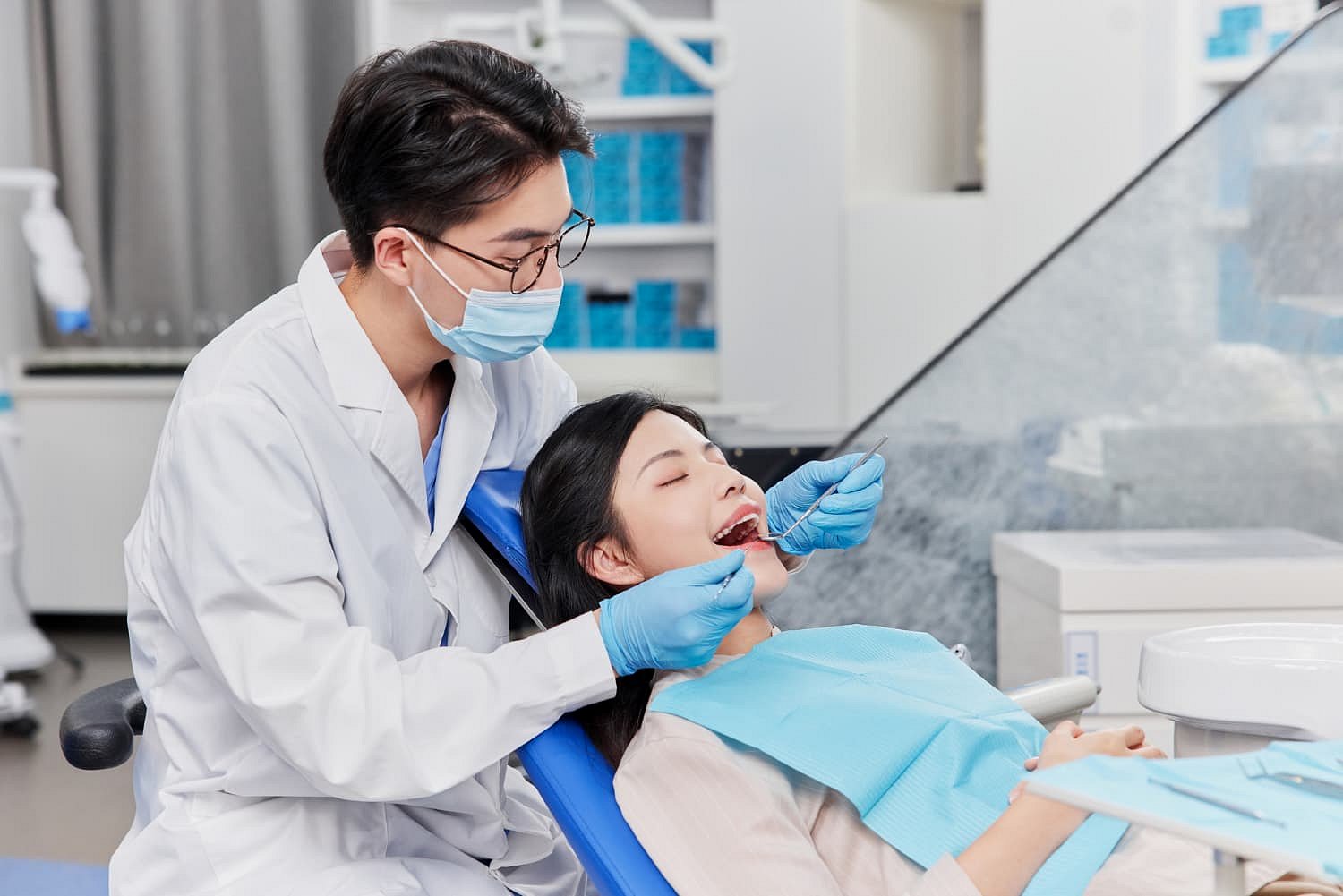
During a routine medical checkup at Andros Orthodontics in Pasco, WA, a healthcare professional uses a tongue depressor to examine a male patient’s mouth for signs of tongue thrust.
At Andros Orthodontics in Pasco, WA, a healthcare professional uses a tongue depressor to examine a seated woman's open mouth for signs of tongue thrust.

What Causes Tongue Thrust

Tongue thrust may arise from a combination of genetic and environmental influences.

Early childhood habits play an essential role in its development. Common contributing factors include:

Prolonged thumb sucking or pacifier use
Bottle feeding beyond the recommended age
Inherited oral structure characteristics
Early feeding and swallowing patterns
Oral habits developed during infancy
At Andros Orthodontics in Pasco, WA, two dentists in white coats and masks use dental tools to examine a male patient's mouth for signs of tongue thrust as he sits in the dental chair.

Types of Tongue Thrust

Different variations of tongue thrust can uniquely impact oral health and dental alignment. The most common form involves the forward positioning of the tongue, which may lead to gaps between teeth and improper bite alignment. Additionally, side-pressing patterns can develop, potentially causing crossbites and uneven tooth wear. Each variation necessitates a tailored treatment approach to achieve effective correction.

Symptoms and Diagnosis

A professional evaluation is crucial for the accurate diagnosis of tongue thrust. Typical signs include noticeable gaps between teeth, misaligned bites, and unique swallowing habits. During an assessment, specialists carefully observe tongue positioning while at rest, speaking, and swallowing to identify the condition and assess its severity.
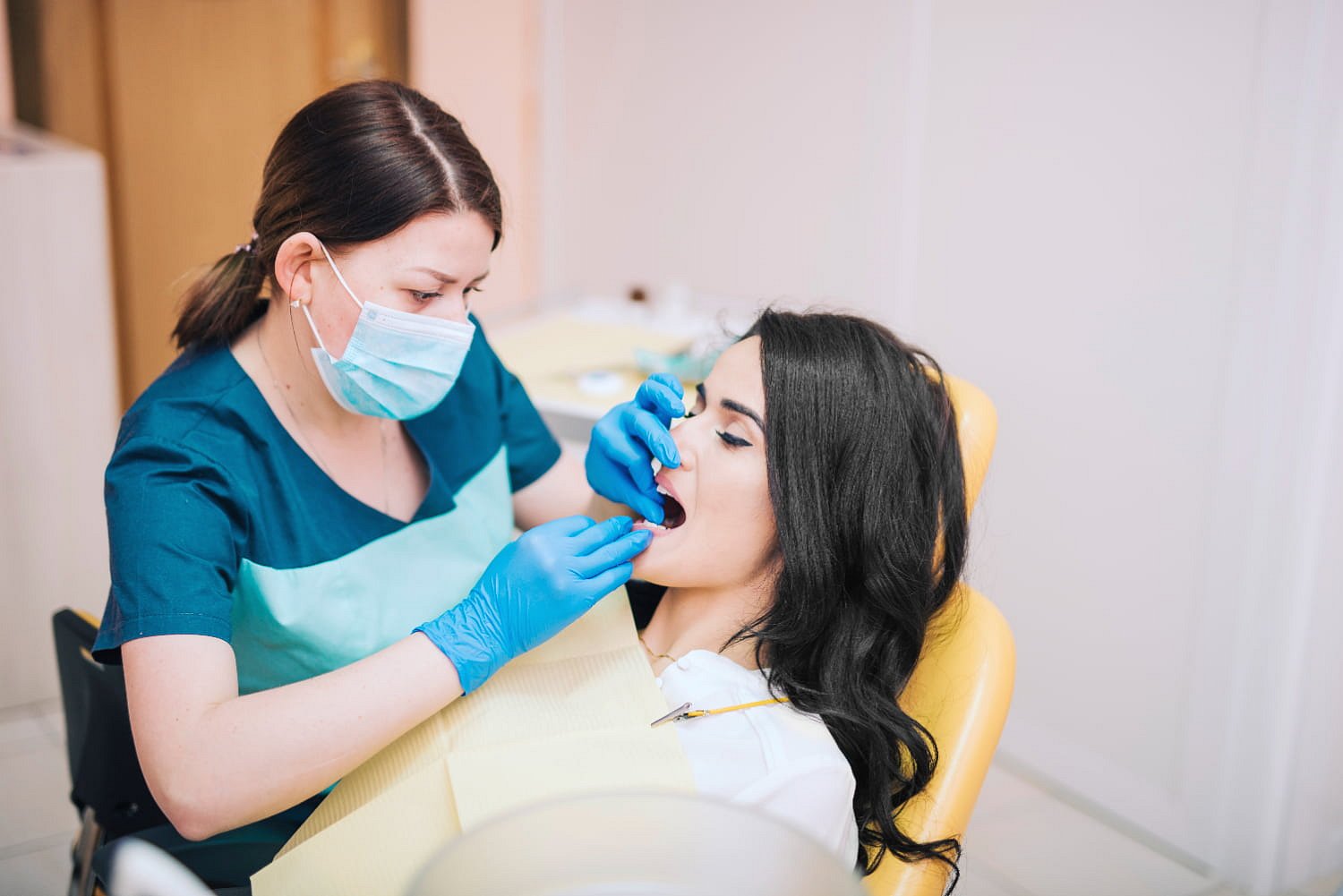
At Andros Orthodontics in Pasco, WA, a dental professional wearing gloves and a mask examines a female patient’s teeth in the dental chair to check for issues like tongue thrust.
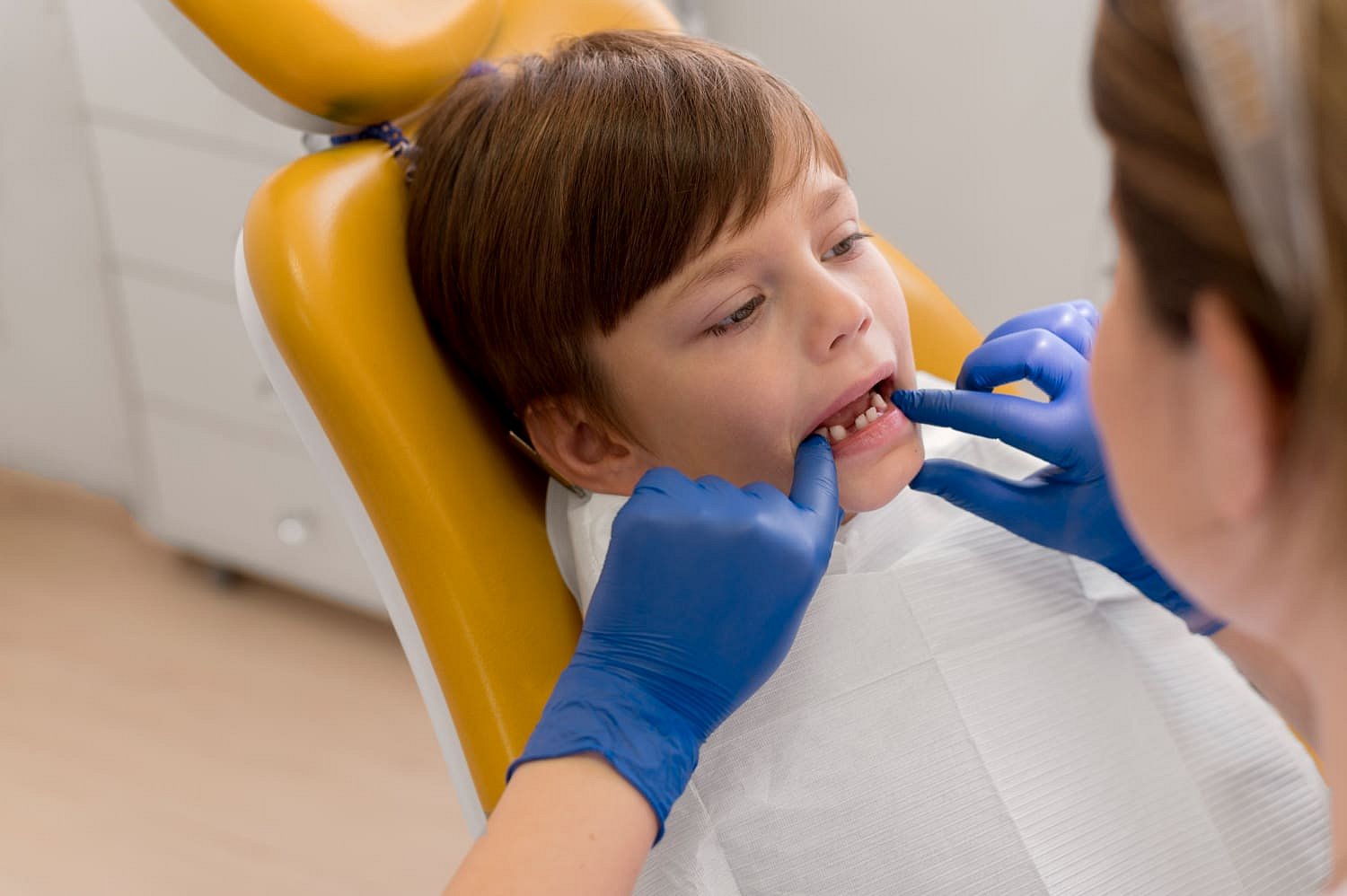
At Andros Orthodontics in Pasco, WA, a dentist wearing blue gloves examines a young boy's teeth for signs of tongue thrust as he sits in the dental chair.

Tongue Thrust in Children

Early intervention is vital for children exhibiting signs of tongue thrust. A professional evaluation by the age of 7 can help prevent more severe developmental challenges in the future. Without treatment, tongue thrust can considerably affect dental development and may necessitate more intensive and complex treatment as the child grows.

Treatment Options for Tongue Thrust

Treatment methods emphasize correcting tongue positioning and improving function through targeted therapy programs. Professional care may involve behavioral adjustment techniques and personalized treatment plans tailored to each individual’s requirements. Achieving success often relies on early identification of the condition and diligent adherence to recommended exercises and therapies.
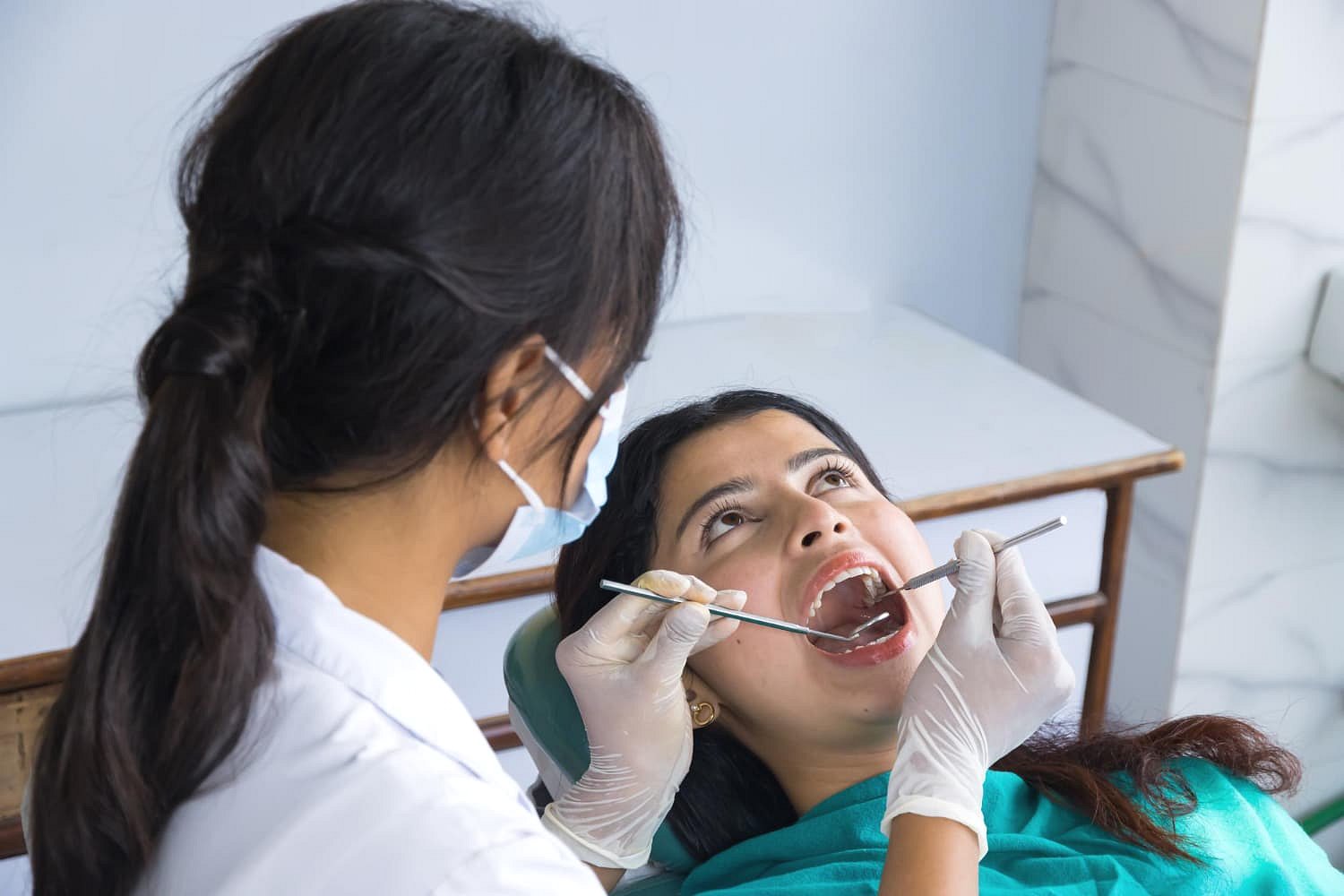
At Andros Orthodontics in Pasco, WA, a dentist wearing gloves and a mask examines a woman's teeth for tongue thrust using dental instruments.

Myofunctional Therapy for Tongue Thrust
This therapy specializes in correcting incorrect tongue placement and enhancing the strength of oral muscles. By utilizing targeted exercises and strategies, patients are guided to establish proper swallowing patterns and correct tongue positioning. Consistent practice combined with expert supervision is critical to achieving the best possible outcomes.
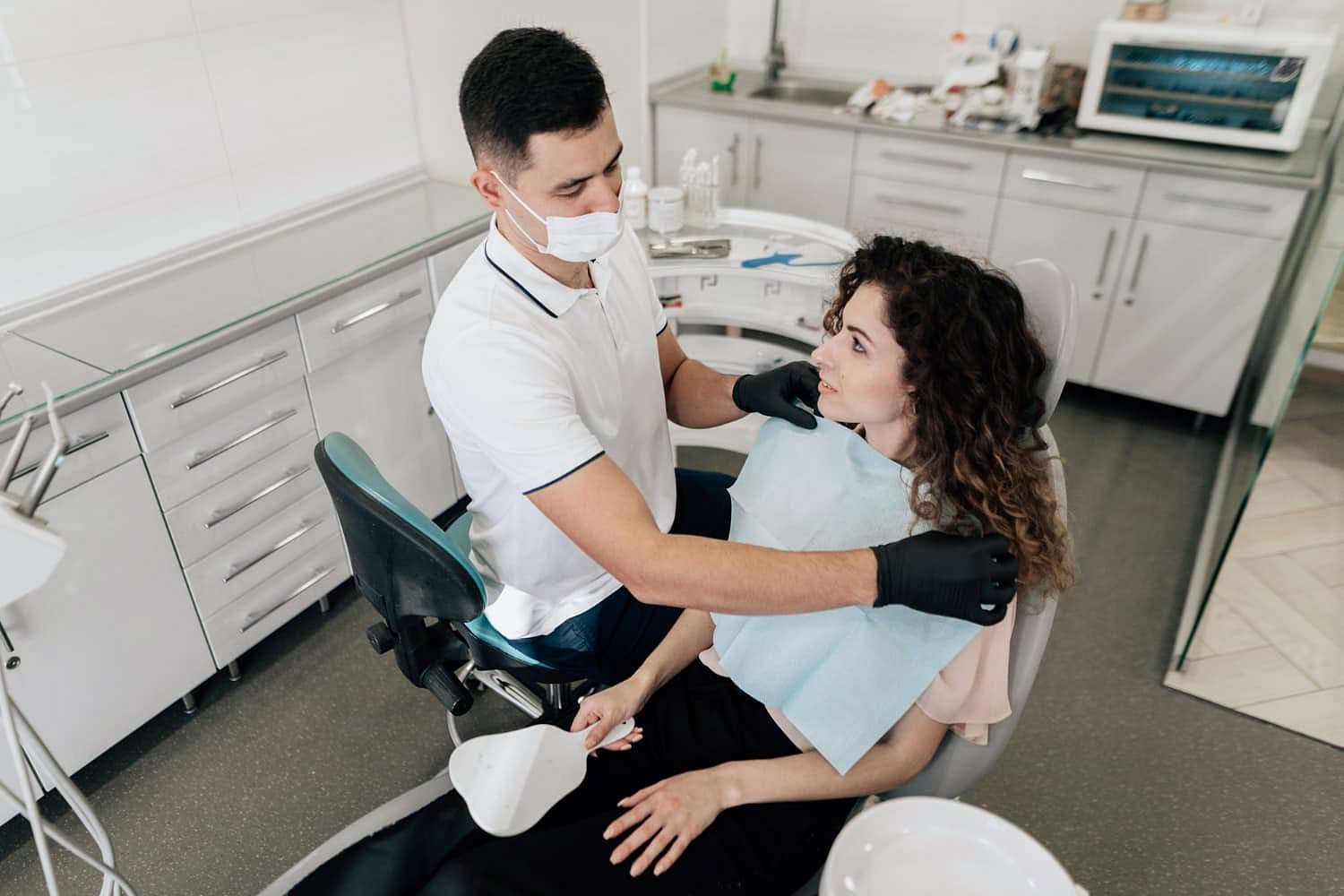
At Andros Orthodontics in Pasco, WA, a dentist in gloves and a mask prepares to examine a seated female patient for concerns like tongue thrust.
At Andros Orthodontics in Pasco, WA, a dentist wearing a mask and gloves examines a patient's teeth for issues like tongue thrust while the patient reclines in the dental chair with a bib.

Long-Term Management and Prognosis

Effective management of tongue thrust depends on dedication to continuous care and regular maintenance. Consistent follow-up visits are essential to track progress and sustain long-term results. With appropriate treatment and adherence to prescribed exercises, patients commonly achieve noticeable improvements in oral functionality and dental alignment.

FAQ

How do I know if I have tongue thrust?

Signs may include noticeable spaces between teeth, difficulty swallowing, or speech challenges such as a lisp. However, these symptoms could indicate other conditions. Schedule a professional evaluation with Dr. Nicholas Andros at Andros Orthodontics to confirm the diagnosis.

Will my teeth straighten naturally if I correct my tongue thrust?

Addressing tongue thrust may prevent additional misalignment, but existing dental issues typically require orthodontic treatment, such as Invisalign, clear aligners, or metal braces. Speak with Dr. Nicholas Andros to explore the best options for your needs.

How can tongue thrust affect orthodontic treatment?

Tongue thrust may impact the effectiveness of orthodontic treatment by creating resistance to proper tooth movement, which can prolong the treatment timeframe. A thorough professional evaluation and addressing tongue thrust simultaneously with orthodontic care are crucial to achieving the best possible outcomes.