Jaw Surgery in Pasco WA: A Comprehensive Guide

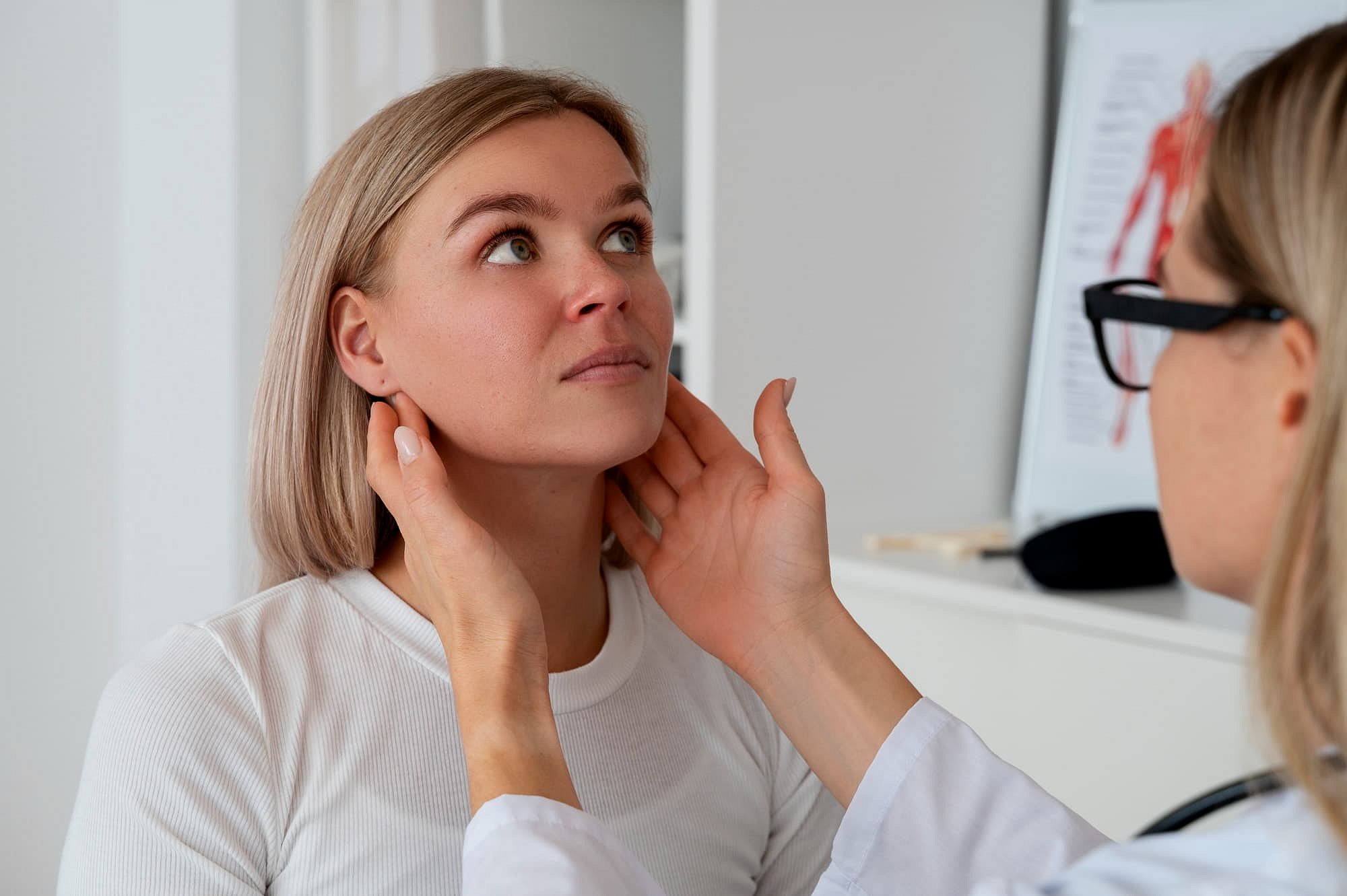
During a consultation in a bright room, a doctor at Andros Orthodontics in Pasco, WA examines a woman's neck by palpating her throat, likely assessing recovery after jaw surgery.

Introduction to Jaw Surgery Orthodontics

What is Jaw Surgery?

Jaw surgery refers to a specialized procedure performed to fix jaw and teeth alignment concerns that regular orthodontic treatments such as Invisalign or Clear aligners cannot fully resolve. Handled by skilled oral and maxillofacial surgeons following a referral from your orthodontist, this procedure aims to improve overall oral functionality and facial appearance, ensuring optimal health and aesthetics.

Purpose of Jaw Surgery

Jaw surgery is performed to address functional issues and improve facial balance and symmetry. It plays a vital role in enhancing oral health and providing long-lasting quality of life benefits.
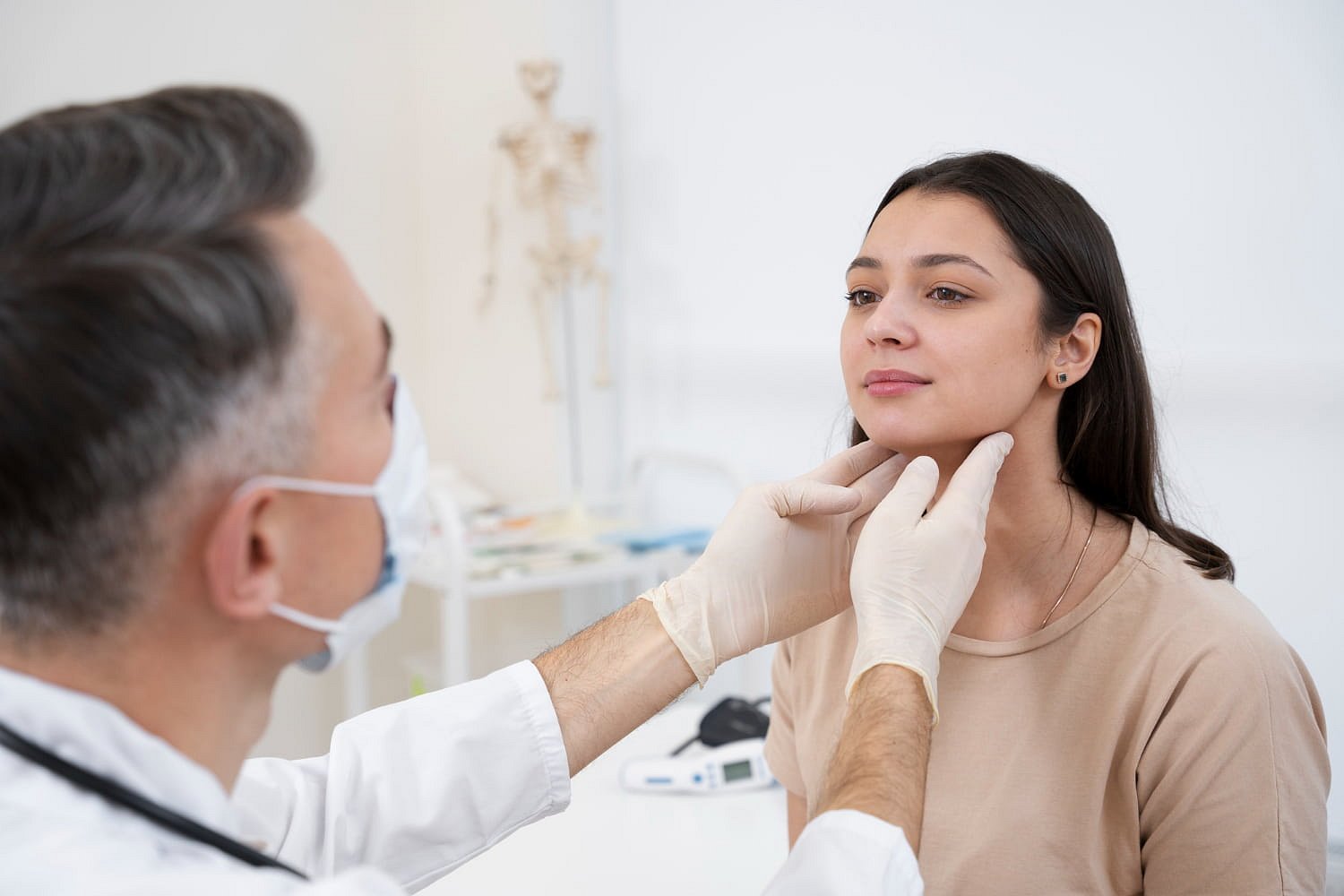
At Andros Orthodontics in Pasco, WA, a doctor wearing gloves examines a young woman's neck in a medical office, possibly evaluating her for jaw surgery.

Improving functionality

Helps resolve issues with chewing, swallowing and speech.
Reduces discomfort caused by conditions like jaw pain or TMJ disorders.
Correct issues contributing to sleep apnea and other breathing challenges.

Enhancing appearance

Jaw surgery can improve the symmetry of the face, creating better balance and proportions.
Many patients experience increased self-confidence due to a more harmonious facial appearance.

Importance of Jaw Surgery in Improving Oral Health and Facial Aesthetics

The Role of Jaw Surgery in Oral Health

When the jaw is misaligned, it can interfere with essential daily activities. Jaw surgery helps resolve:

Difficulty chewing or speaking clearly.
Long-term oral health concerns like gum disease or excessive tooth wear caused by poor bite alignment.
Correct issues contributing to sleep apnea and other breathing challenges.

The Role of Jaw Surgery in Facial Aesthetics

An aligned jaw plays a crucial role in enhancing facial balance and profile harmony. By addressing underlying structural issues, jaw surgery can achieve:

Improved facial symmetry and proportions.
Better definition of the jawline, contributing to an attractive appearance.
Correct issues contributing to sleep apnea and other breathing challenges.

Common Conditions Requiring Jaw Surgery

Malocclusion Correction 

with Jaw Surgery

Malocclusion, or a “bad bite,” occurs when the upper and lower jaws are improperly aligned, leading to difficulties in oral functionality and negatively impacting appearance. For severe cases, jaw surgery becomes essential.

Types of malocclusion

Correcting these malocclusion issues improves chewing, speech, and facial proportions, while also preventing long-term oral health concerns like gum disease and uneven tooth wear.

Overbite: The upper teeth extend significantly over the lower teeth.
Underbite: The lower teeth protrude farther than the upper teeth.
Crossbite: The upper and lower teeth do not align correctly.
Open bite: A gap remains between the front teeth.

Treatment methods

Severe malocclusion is treated through:

Orthodontics to align teeth before surgery.
Jaw surgery to reposition the upper or lower jaw:
– For overbite: realigning the lower jaw forward.
– For underbite: repositioning the upper jaw for symmetry.

Obstructive Sleep Apnea

Obstructive sleep apnea (OSA) is a condition in which the airway becomes obstructed during sleep, leading to interrupted breathing and restless nights. For severe cases, jaw surgery can provide a long-term and effective solution by addressing the root cause of the obstruction.

How jaw surgery helps OSA

By repositioning the upper and lower jaws, the airway is widened, effectively addressing the root cause of obstructions. Benefits include:

Better oxygen flow during sleep.
Reduced apnea episodes and snoring.
Improved sleep quality and overall well-being.

Surgical techniques

Jaw surgery for sleep apnea serves as a long-term solution, improving health while reducing the risks of untreated OSA.

Maxillomandibular Advancement (MMA): Moves both jaws forward to expand the upper airway.
Genioglossus Advancement (GA): Repositions the tongue base to prevent airway blockages.

Enhancing Facial Aesthetics through Jaw Surgery

Jaw surgery improves both function and looks. By repositioning the jaw, significant facial balance and harmony can be achieved.

Benefits for aesthetics:

Improved symmetry: Creates balance between the lower and upper face.
Proportional facial structure: Enhances jawline definition and reduces asymmetry.
Boosting confidence: Patients often report increased self-esteem following an improved facial appearance.

Through correct adjustments, this surgery leaves patients with improved structural harmony while addressing both health and cosmetic concerns.

A woman in a beige compression facial bandage, typically worn post-surgery or for cosmetic recovery after Jaw Surgery, is shown against a plain beige backdrop at Andros Orthodontics in Pasco, WA.

Preparing for Jaw Surgery

Preparation is a crucial step to achieve the best possible results from jaw surgery. Patients often undergo thorough evaluations and preparatory steps, which may involve orthodontic treatments or imaging studies. Steps include:

Consultation with Oral and Maxillofacial Surgeon

Your surgeon will analyze your dental and facial structure and discuss the detailed procedure.

Orthodontic Treatment: Aligning Teeth Before Surgery

Braces may be needed to move the teeth into proper position before surgery.

Follow Pre-Surgical Instructions

This may include dietary changes, stopping certain medications, and other health considerations.

Recovery and Aftercare

Recovery and aftercare are critical components of the healing process, ensuring a smooth and effective transition back to daily routines after surgery. This phase requires a balanced approach involving self-care, professional support, and strictly following post-operative instructions to achieve the best possible outcomes. Careful planning is essential to minimize complications, maintain progress, and encourage a long-lasting, healthy recovery. Below is an outline of the key aspects necessary for successful recovery.

Post-operative pain management
Managing post-surgery pain is crucial for ensuring comfort and promoting effective healing. Although some level of discomfort is normal, adhering to pain management strategies can greatly minimize its effects and support a smoother recovery process.
Medication
Your doctor might recommend medications like non-prescription pain relievers or prescribed treatments. Ensure you follow the instructions carefully.
Pain relief techniques
Techniques like heat or cold therapy, relaxation exercises, and light movement can support pain management as advised by your healthcare provider.
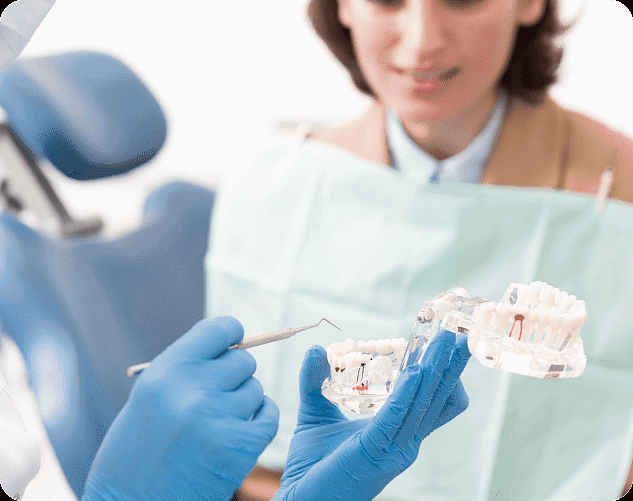
At Andros Orthodontics in Pasco, WA, a dentist wearing blue gloves uses a dental model and tool to explain jaw surgery procedures to a patient in the dental chair.

Dietary restrictions and oral hygiene
Nutrition and oral hygiene play a central role in promoting healing and preventing complications.
Dietary restrictions
Depending on the type of surgery, you might be required to stick to a liquid or soft diet to prevent putting strain on the surgical site. Be sure to follow your healthcare provider’s recommendations about which foods to eat or steer clear of.
Oral hygiene
Cleanliness is key to preventing infection. Brush gently and follow any special instructions provided by your surgeon if your procedure involved the mouth or jaw.
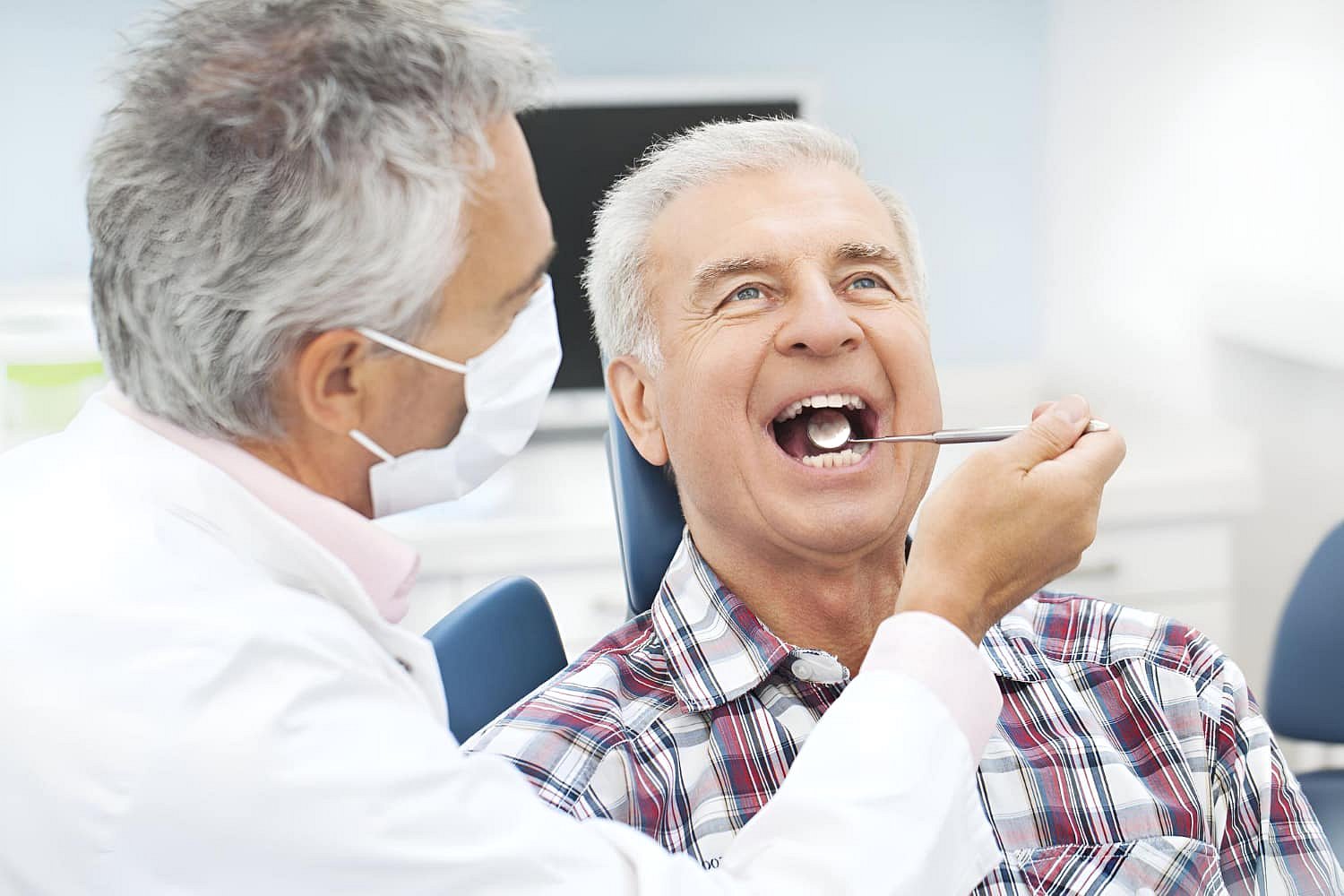
At Andros Orthodontics in Pasco, WA, a dentist examines an older male patient’s open mouth to assess him for possible jaw surgery.

Follow-up appointments

Regular follow-ups enable your healthcare provider to monitor healing, adjust your treatment plan, and address any concerns early.
What to expect
During appointments, the surgical site will be examined, pain levels will be assessed, and imaging may be performed to track progress. These visits are crucial for a timely and successful recovery.
At Andros Orthodontics in Pasco, WA, a dentist gives a high-five to a smiling young patient in the dental chair after discussing jaw surgery, as the child's mother looks on.

Physical therapy and rehabilitation

Physical therapy and targeted exercises are important for restoring functionality and mobility post-surgery.
Physical therapy sessions
Partner with experts who design exercises specific to your surgery and recovery requirements.
Rehabilitation exercises
Simple at-home movements, provided by your healthcare provider can help regain strength and flexibility over time after surgery.
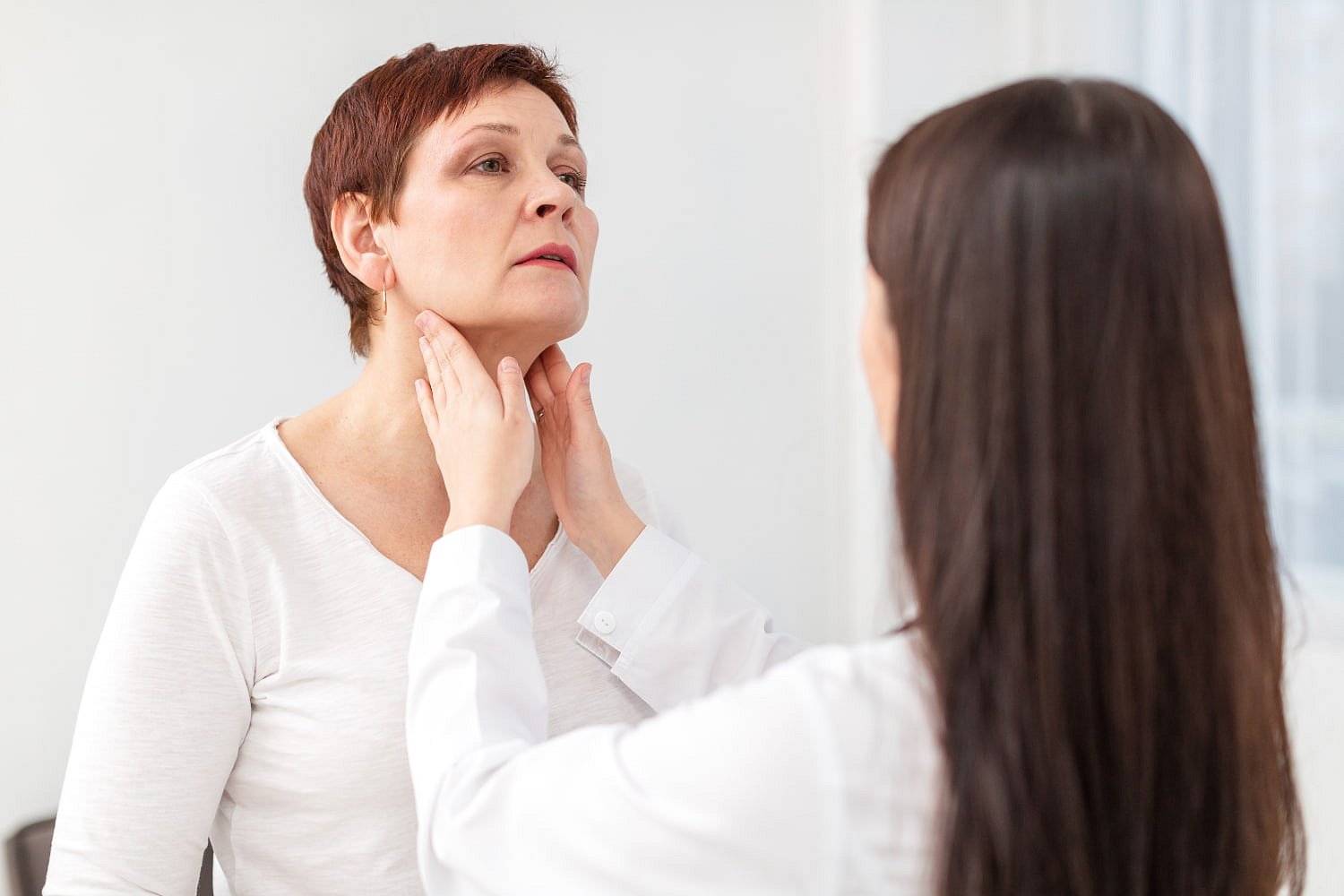
At Andros Orthodontics in Pasco, WA, a healthcare professional gently presses a patient's neck to check lymph nodes—an important step before jaw surgery.

Risks and Complications of Jaw Surgery

Like any medical procedure, jaw surgery involves risks and potential complications. However, most risks can be effectively managed, and being well-informed empowers patients to take necessary precautions and make confident, informed decisions about their care.
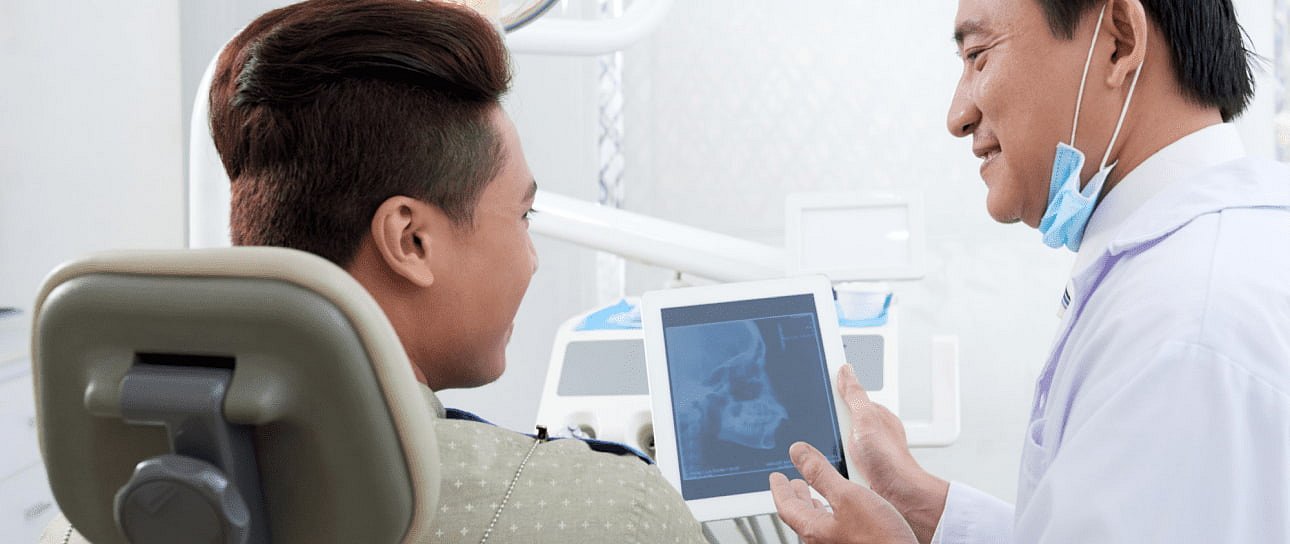
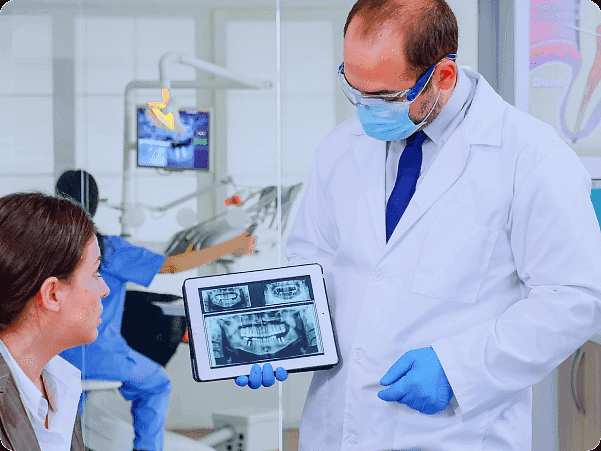
At Andros Orthodontics in Pasco, WA, a dentist uses a tablet to show a dental X-ray and discuss potential jaw surgery options with the patient.

Rehabilitation Exercises

Risks may involve mild discomfort, swelling, or minor bleeding, often influenced by factors like pre-existing conditions or how each individual heals.

To reduce these risks, it is crucial to have a detailed discussion with your surgeon. Understanding the procedure, potential complications and post-operative care ensures a smoother recovery and lowers the likelihood of adverse effects.

Conclusion

Jaw surgery, also known as orthognathic surgery, is a critical procedure for addressing jaw and facial irregularities. It not only improves jaw functionality and enhances overall aesthetics but also offers significant health benefits. Beyond cosmetic improvements, it addresses important concerns such as oral health, breathing issues, and overall quality of life.

At Andros Orthodontics in Pasco, WA, a healthcare professional wearing blue gloves examines a woman's jaw and mouth for potential jaw surgery in a medical setting.

Importance of jaw surgery

Jaw surgery corrects severe misalignments that cannot be treated effectively with orthodontics alone. Key benefits include:
Improved chewing and speech: Correcting jaw alignment enhances oral functionality, making daily activities like eating and speaking more comfortable and efficient.
Enhanced breathing: Jaw misalignment-related conditions like sleep apnea can be treated, improving airflow and reducing associated health risks.
Pain relief: Chronic pain caused by misaligned jaws, such as TMJ disorders, can be alleviated, significantly improving overall quality of life.
At Andros Orthodontics in Pasco, WA, a dentist reviews jaw surgery options with a smiling patient in the dental chair as they both focus on information displayed on a tablet. The patient is wearing a blue dental bib.

Benefits of jaw surgery

Undergoing jaw surgery provides transformative benefits:
Facial symmetry: Correcting jaw alignment creates better overall facial balance and harmony.
Oral health improvements: Proper alignment prevents excessive tooth wear and reduces the risk of future dental problems.
Quality of life: Enhanced functionality and aesthetics result in greater confidence and improved everyday comfort.
At Andros Orthodontics in Pasco, WA, a dentist wearing a mask and gloves explains jaw surgery options to a seated female patient by showing her a dental X-ray on a tablet in their modern clinic.

Future advancements in jaw surgery

Innovative research is shaping the future of jaw surgery, delivering better outcomes for patients:

3D Printing Technology: Highly accurate jaw models improve surgical planning and precision.
Minimally Invasive Techniques: These advancements shorten recovery times and reduce post-operative discomfort, leading to a smoother healing process.
Robotic Surgery: Enhanced precision minimizes complications, improves success rates, and delivers optimal results.
In summary, jaw surgery significantly improves oral health, functionality, and facial aesthetics for individuals with misaligned jaws. As technology continues to evolve, the future of jaw surgery promises safer, more efficient, and highly effective treatments for patients.

Take Action

At Andros Orthodontics in Pasco, Dr. Nicholas Andros and the compassionate team are committed to helping patients achieve the smile they’ve always dreamed of. Schedule your free orthodontic consultation today and take the first step toward a healthier, more confident you!

FAQ

What makes jaw surgery worth it?

Corrective jaw surgery delivers transformative benefits by improving essential functions like chewing, speaking, and breathing. It also enhances facial aesthetics and boosts self-confidence. While the recovery process can be challenging, the procedure provides long-term oral health advantages, prevents future complications, and greatly enhances overall quality of life.

First consultation – what to ask?

During your first consultation, be sure to ask about the orthodontist or surgeon’s experience, potential treatment plans, expected timelines, and realistic outcomes. Additionally, inquire about costs, payment options, and any hurdles you might encounter during your treatment. This discussion will help you fully understand your care plan and address any concerns.

Will you need follow-up care after corrective jaw surgery?

Post-surgery care depends on your individual case. Some patients may require additional treatments, others might not. The primary objective is to maintain and refine the results to ensure long-term functional and aesthetic improvements. Your care team will supply tailored recommendations to help achieve lasting success and overall well-being.