

Causes and Effects of Mouth Breathing

Causes of mouth breathing
Mouth breathing can stem from various factors. Common causes include seasonal allergies (like cedar fever), chronic nasal congestion, enlarged tonsils, and sleep apnea. Some residents are often more affected due to the area’s environmental conditions and allergens.
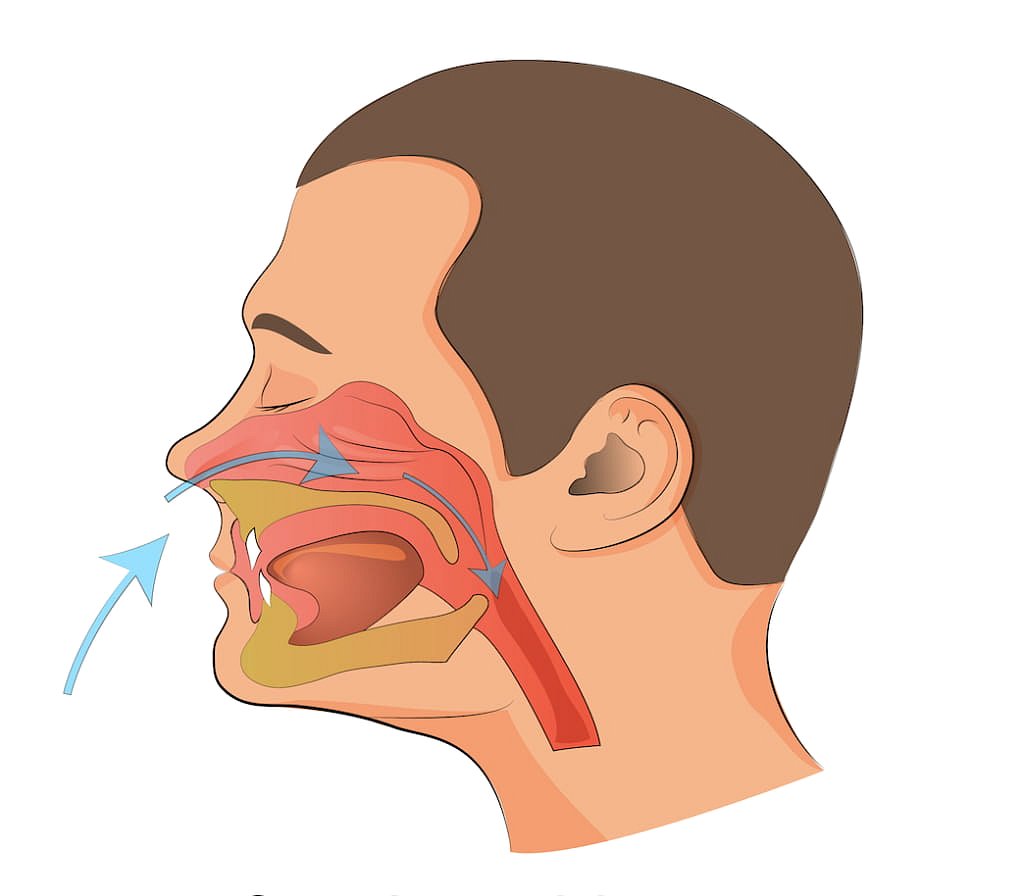
Mouth breathing affects overall health
Our respiratory health is especially at risk from mouth breathing. Without the benefits of nasal filtration, individuals may experience increased vulnerability to respiratory infections, reduced oxygen intake, and less effective breathing.

Relationship between mouth breathing and dry mouth
The warmer climate often intensifies the effects of mouth breathing by reducing oral moisture levels. Patients commonly deal with xerostomia (dry mouth), which can lead to further oral health problems when untreated. This reflects the importance of proper diagnosis and care.

Connection between mouth breathing and sleep apnea
Mouth breathing is often linked to sleep apnea, creating a cycle that diminishes both sleep quality and daily productivity. Many individuals notice significant sleep improvements once mouth breathing is treated, highlighting the importance of resolving these issues for better long-term well-being.
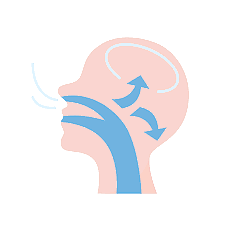
Effects of mouth breathing on brain function and cognitive abilities (brain fog)
Mouth breathing may contribute to symptoms like brain fog, decreased focus, and mental fatigue. These cognitive issues can interfere with daily life and productivity—making treatment essential for boosting attention, energy, and overall mental health.

Impact of mouth breathing on oral health and bad breath
At our practice, patients struggling with mouth breathing often experience dental concerns like cavities, gum issues, and halitosis (bad breath). Low saliva flow encourages the growth of harmful bacteria, contributing to tooth and gum problems if not treated properly.
Health Risks Associated with Mouth Breathing
Mouth breathing, whether in adults or children, significantly heightens the risk of respiratory infections like sinus issues, colds, and the flu. This occurs because breathing through the mouth bypasses the nose’s natural filtration system, allowing harmful pathogens to reach the lungs with greater ease. Over time, habitual mouth breathing can also result in nasal congestion and blockage, which only intensifies the difficulty of transitioning back to nasal breathing.
The connection between mouth breathing and lung health is particularly troubling, as it poses long-term risks for respiratory complications. For children, the effects can be especially severe, with chronic mouth breathing potentially leading to improper facial and dental development, disrupted sleep patterns, and even behavioral challenges. Addressing this issue early is essential to safeguard their overall health and development.
Diagnosis and Treatment
At Andros Orthodontics, Dr. Nicholas Andros uses advanced techniques to identify mouth breathing and its causes. Customized treatments often include orthodontic appliances, breathing exercises, and collaboration with specialists if needed.
Prevention and Management
Breathing exercises and techniques to enhance nasal breathing in children can be supported through various preventive and management approaches. First, lifestyle changes such as maintaining a balanced diet, staying properly hydrated, and participating in regular physical activities can reduce nasal congestion and promote healthier breathing habits. Additionally, incorporating specific breathing exercises can significantly improve nasal breathing.
One effective technique is diaphragmatic breathing, which teaches children to take deep, efficient breaths by engaging the diaphragm rather than relying on shallow chest breathing. Simple nasal-clearing exercises can also be practiced to open airways and support easier nasal breathing. Educating children on the benefits of nasal breathing for their overall health, along with reinforcing good breathing habits, is another crucial step. Together, these lifestyle adjustments and targeted exercises provide a holistic approach to fostering and maintaining proper nasal breathing in children.

Improving Your Breathing and Health with Airway Orthodontics
We use advanced 3D imaging technology at our clinic to thoroughly examine airway structures and create customized treatment plans. This cutting-edge approach enables us to effectively tackle both breathing challenges and orthodontic needs at the same time, ensuring the best possible outcomes for our patients.