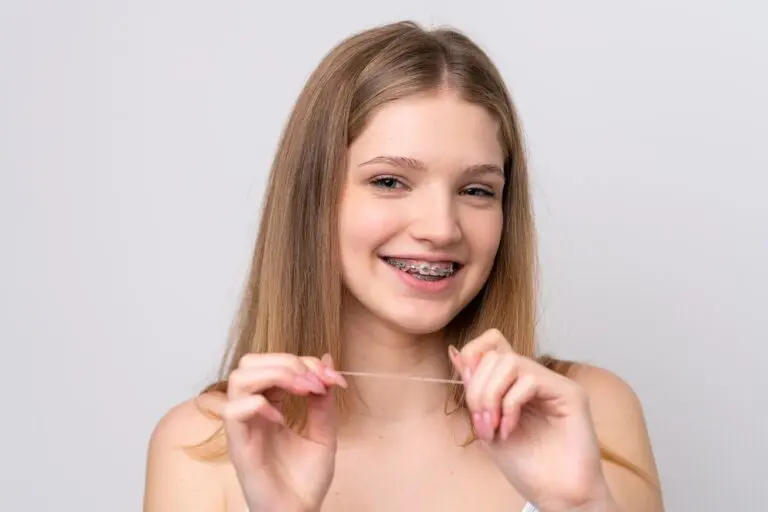
Are you struggling with how to floss with braces? You’re not the only one. Flossing can feel tricky at first, especially with wires and brackets in the way. However, regular flossing is essential for great oral hygiene during orthodontic treatment. The good news is that with the right tools and techniques, keeping your teeth clean and gums healthy while wearing braces is totally manageable.
Why Does Flossing Matter When You Have Braces?
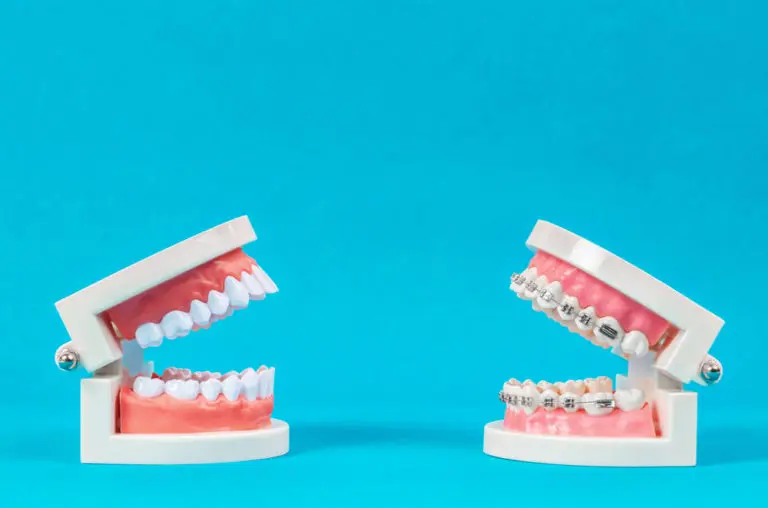
Braces work to straighten your teeth, but they also make cleaning harder. Brackets, wires, and small spaces between teeth are areas where plaque and food particles can easily collect. When food or plaque sits for too long, it can lead to gum disease, tooth decay, and bad breath. Flossing helps prevent these problems. Healthy gums and teeth also improve the effectiveness of your braces.
Tools to Make Flossing with Braces Easier
The right flossing tools can make cleaning your teeth faster and easier. Here are some tools you can use:
1. Floss Threaders
Floss threaders are simple but effective aids that guide dental floss under the wires. This makes it easier to clean between your teeth and near your brackets. Most orthodontic offices, like Andros Orthodontics, provide floss threaders as part of their patient care kits.
2. Water Flossers
A water flosser, also called an oral irrigator, uses a stream of water to clean between teeth and brackets. This tool is great for patients who find string floss difficult or have sensitive gums. Many find it easier to add a Waterpik to their flossing routine.
3. Orthodontic Floss
Orthodontic-specific floss is thicker than standard floss, making it easier to clean under archwires when paired with a floss threader. It’s durable, so it won’t shred or break as easily when navigating the wires.
4. Superfloss
Superfloss has a spongy texture that helps remove plaque and debris from tight spaces around brackets and under wires. It’s versatile and works well for tackling hard-to-reach areas.
5. Floss Picks and Interdental Brushes
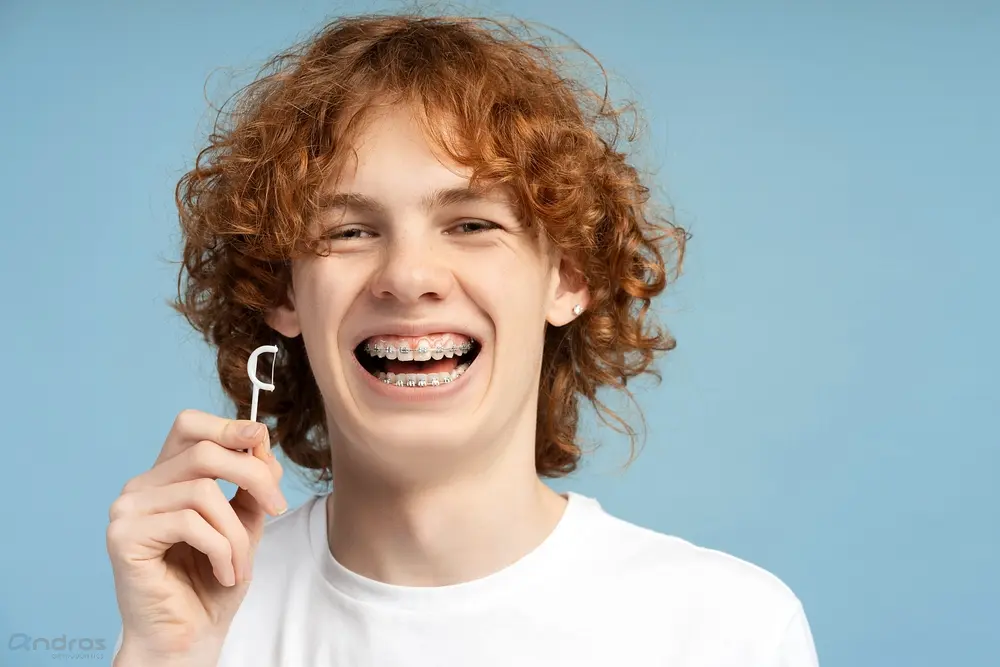
If using traditional floss isn’t working for you, try floss picks or interdental brushes (also called proxy brushes). These small tools clean effectively between brackets and wires without the hassle of threading floss.
Where to Find Flossing Tools
You can buy flossing tools like water flossers, floss holders, interdental brushes, and more at pharmacies or online. Many orthodontists, including Andros Orthodontics, offer starter kits with all the essentials to help make your oral hygiene routine easier.
How to Floss with Braces: A Step-by-Step Guide
Learning the process of flossing with braces can make a huge difference. These steps will help you build and maintain an effective flossing technique:
Step 1: Prepare the Floss
Cut about 18 inches of floss and use a floss threader to guide it under the wire. This helps you reach between your teeth and under the brackets easily. Waxed floss works best because it slides smoothly and doesn’t get caught on braces. Take your time threading the floss so you don’t pull or bend any wires.
Step 2: Floss Between Each Tooth
Gently wrap the floss in a “C” shape around the base of the tooth to clean along the gumline. Slide it up and down carefully. Avoid snapping the floss, which can damage sensitive gums or brackets.
Step 3: Use a Water Flosser
For extra cleaning and hard-to-reach spots, use a water flosser. Direct the water jet at the spaces between your teeth, around your brackets, and along the gumline. Adjust the pressure if your gums are particularly sensitive.
Step 4: Brush Your Teeth
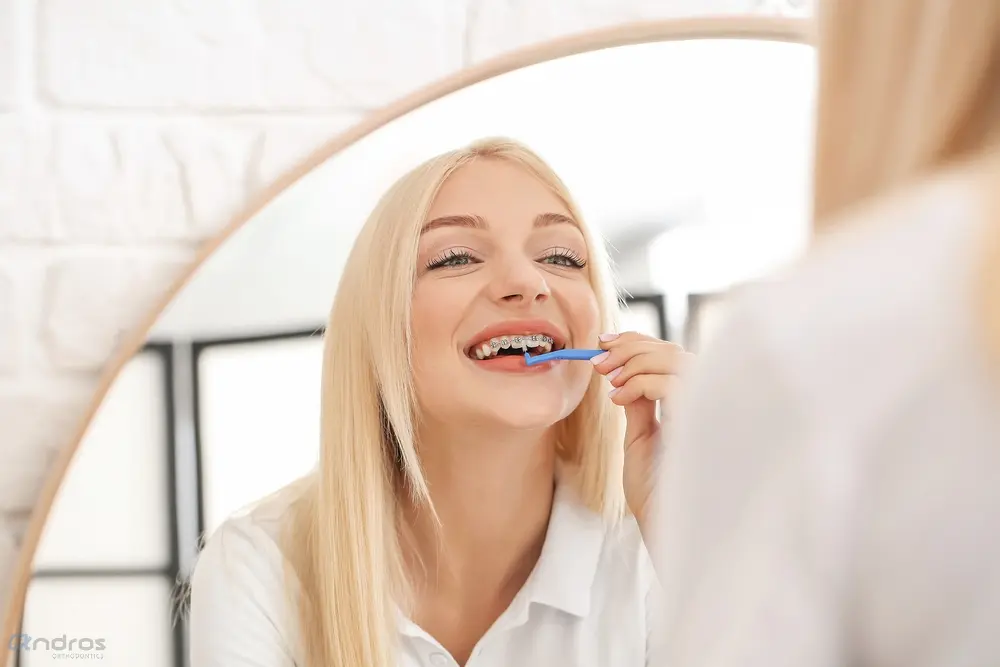
After flossing, brush your teeth with a soft-bristle toothbrush and toothpaste containing fluoride. Focus on cleaning around your brackets, wires, and along the gums. You can also use a fluoride mouthwash to strengthen your enamel and reduce plaque buildup.
Cleaning Tips Based on Brace Types
Your cleaning routine may differ slightly depending on the type of braces you wear:
- Metal Braces: Take your time threading floss under wires to ensure thorough cleaning.
- Clear Braces: Floss carefully to avoid damaging more fragile ceramic brackets.
- Lingual Braces: Since these are on the back of your teeth, a water flosser may make cleaning easier.
- Self-Ligating Braces: These have fewer parts, but consistent flossing is still key to keeping your gums healthy.
Common Challenges with Flossing and How to Fix Them
Flossing with braces isn’t always easy, but you can overcome common obstacles with these tips:
Sensitive Gums
If your gums feel tender when you first start flossing, try rinsing with warm salt water after your routine. Use slow, gentle motions and avoid pressing too hard. Sensitivity should go away as your gums get healthier. According to Dr. Natalie Yang, a well-liked orthodontist in Vacaville, CA, most soreness fades with time as you keep up good habits.
Hard-to-Reach Areas
Certain spots may be tough to access with regular floss. In these cases, switch to interdental brushes, water flossers, or proxy brushes for easier cleaning.
Difficulty with Threading Floss
If threading floss under wires is too much of a hassle, consider using floss picks or pre-threaded flossers to save time and frustration.
Professional Care at Andros Orthodontics
At Andros Orthodontics, we believe great oral health is essential during treatment. We equip all our patients with the tools and skills to maintain healthy teeth and gums while wearing braces.
What We Offer:
- Hands-On Demonstrations: Learn the proper way to floss with braces during your visits.
- Customized Starter Kits: These include essential cleaning aids like floss threaders, brushes, and floss picks.
- Ongoing Guidance and Support: We’re here to help with common issues like navigating tight wires or managing gum sensitivity.
Oral Hygiene After Braces
When your braces come off, the work doesn’t stop! Maintaining excellent oral hygiene practices is key to protecting your straight teeth.
Wear Your Retainer
Retainers keep your teeth aligned and prevent them from shifting back to old positions. Wear them as instructed by your orthodontist.
Floss Daily
Even without braces, flossing is important to remove plaque and prevent cavities and gum disease. Stick to your flossing routine to keep your smile healthy. According to Dr. Fateh Arslan, a professional orthodontist in San Antonio, TX, daily flossing after braces removal is essential to preserve gum health and maintain the alignment achieved through orthodontic treatment.
Schedule Regular Checkups
Visit your orthodontist and dentist regularly to monitor your teeth and gums. Professional cleanings every six months will help keep your enamel strong and free of plaque.
Take Control of Your Flossing Routine
Flossing with braces may take some practice, but it becomes easier with time. At Andros Orthodontics in Pasco, we are dedicated to helping you succeed in your orthodontic journey. Schedule a consultation today, and let us guide you on the path to a healthy, confident smile.
About The Authors
Dr. Nicholas Andros – Orthodontist in Pasco, WA
Dr. Fateh Arslan – Orthodontist in San Antonio, TX
Frequently Asked Questions
What to do if there is no floss?
No floss? Don’t worry! You can try other tools if you’re stuck. A clean thread or strong string can work. Dental picks, interdental brushes, or water flossers are also good choices if you have them. In a pinch, you can even use the edge of a clean paper towel or a folded card to clean between teeth. If nothing else, rinse your mouth with water or mouthwash to wash away food. These tricks are only short-term, so make sure to get more floss soon.
Is it better to floss at night or in the morning?
Flossing at night is best. It clears away food and plaque from the day and keeps your teeth clean while you sleep. Since your mouth makes less saliva at night, cleaning before bed helps prevent bacteria from building up. Still, the most important thing is flossing once a day. If morning works better for you, that’s fine too.
How long can I go without flossing with braces?
It’s best to floss every day with braces. Brackets and wires catch food and plaque easily, which can cause cavities and gum problems. If you miss a day, try not to go more than two days without flossing. Use a floss threader or other tools to make it easier. A little effort each day will help you keep your teeth and gums healthy while wearing braces.